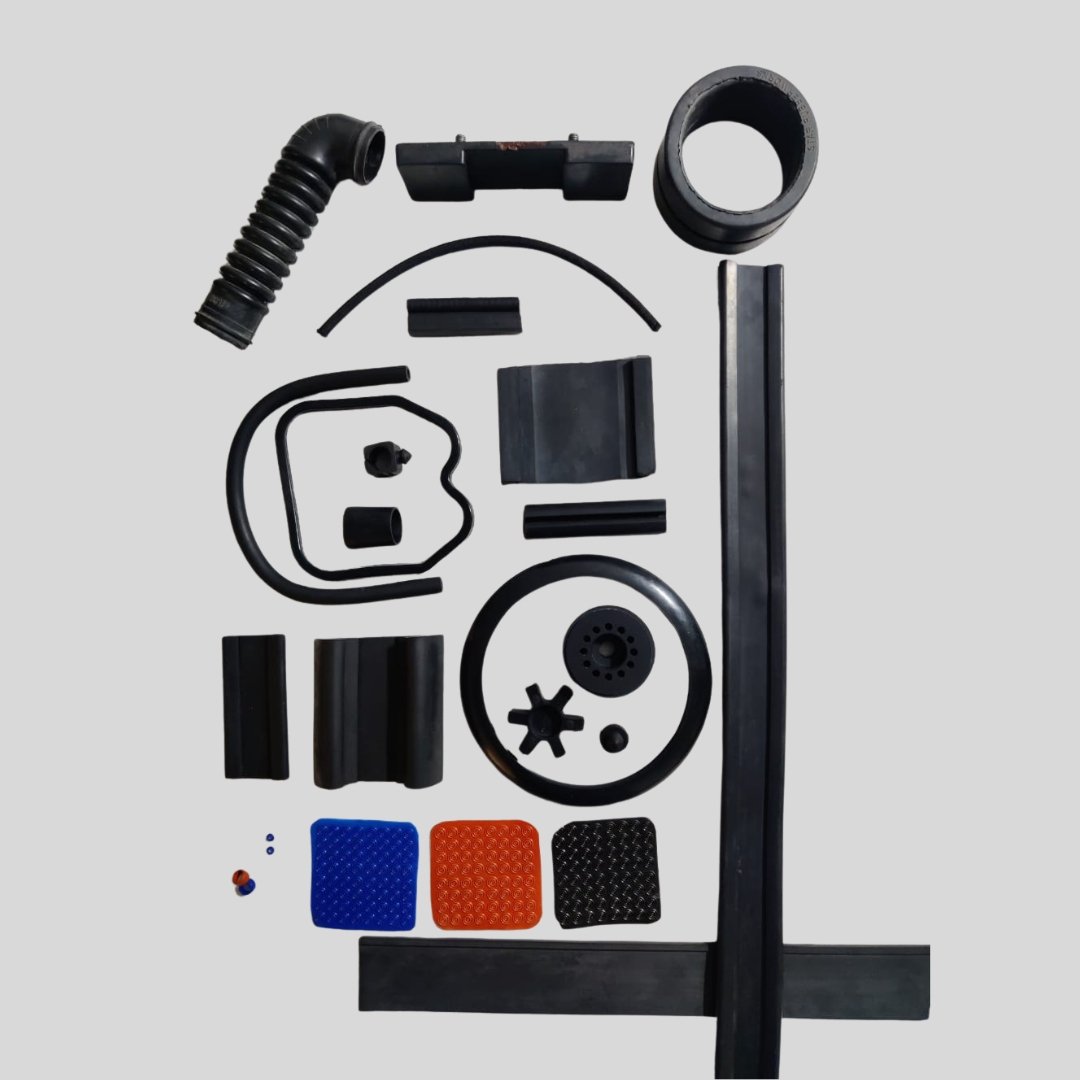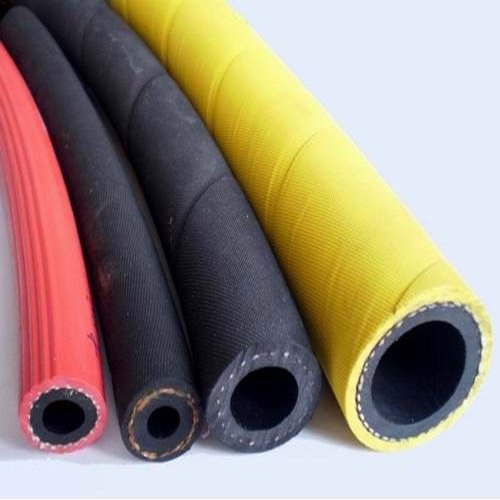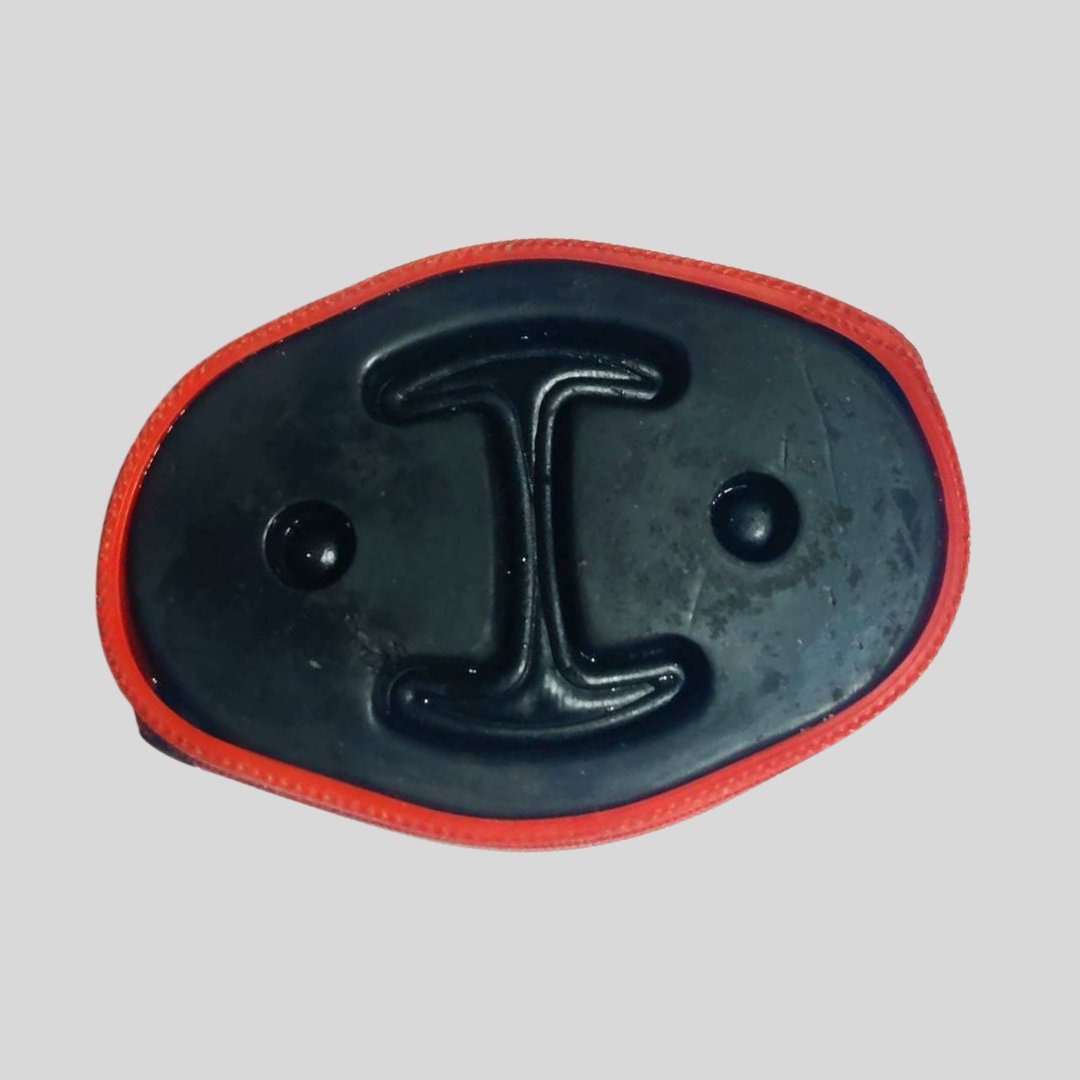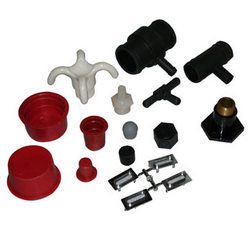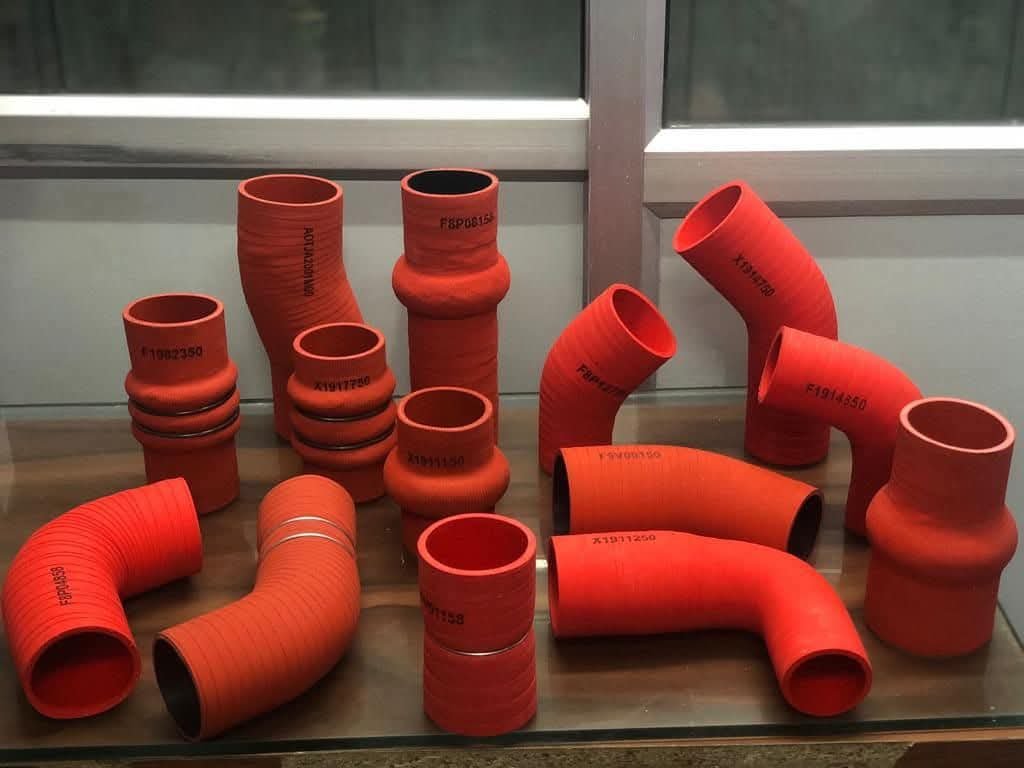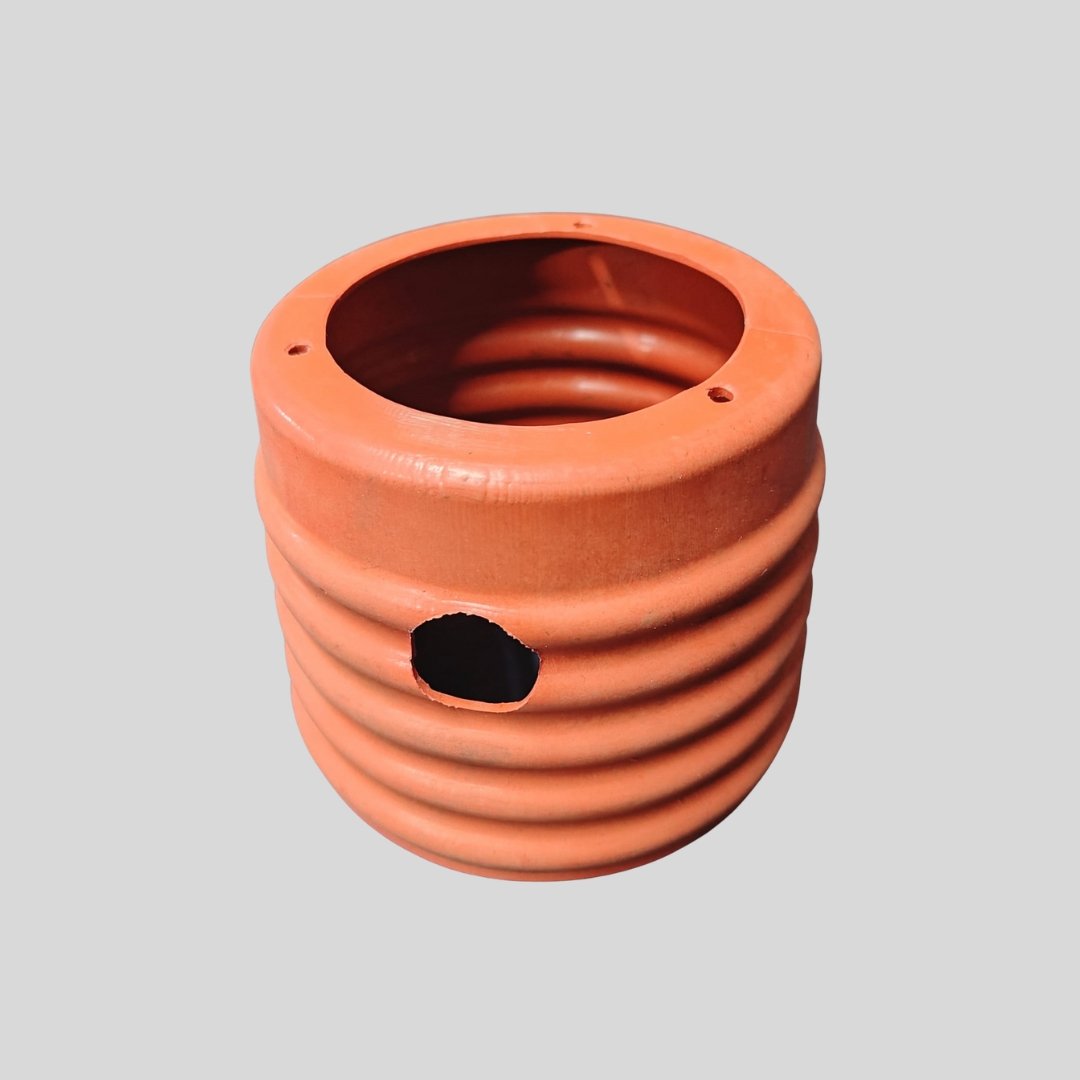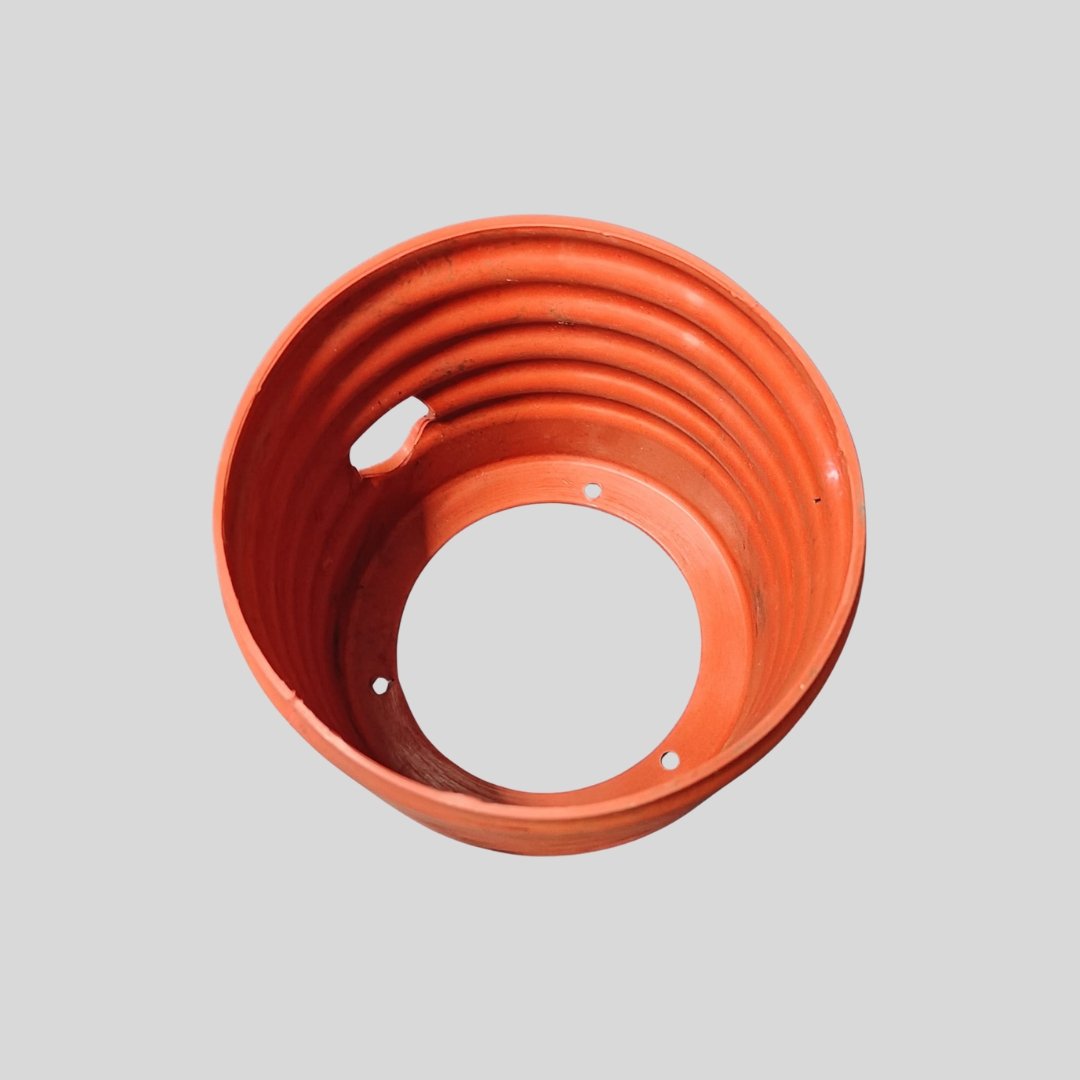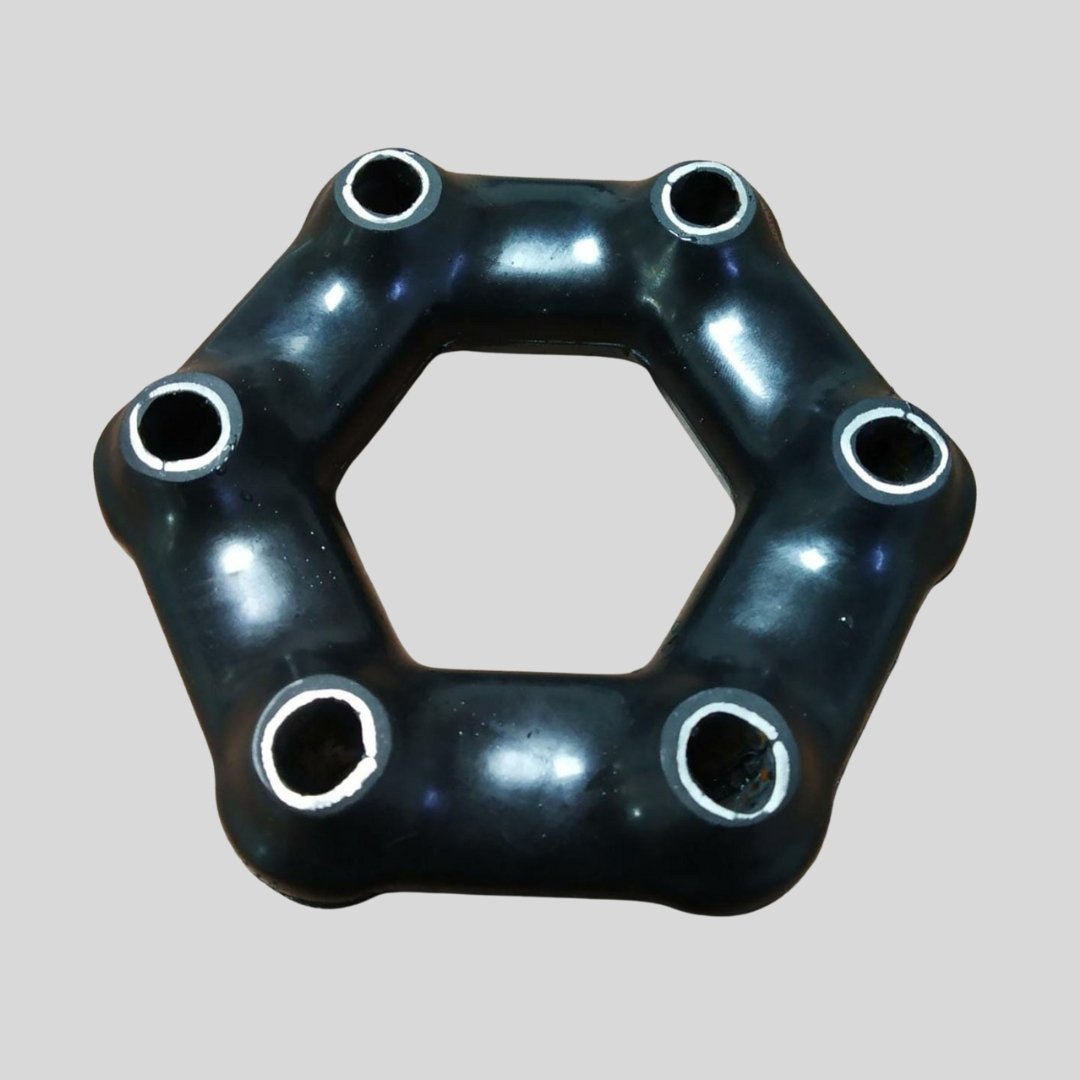
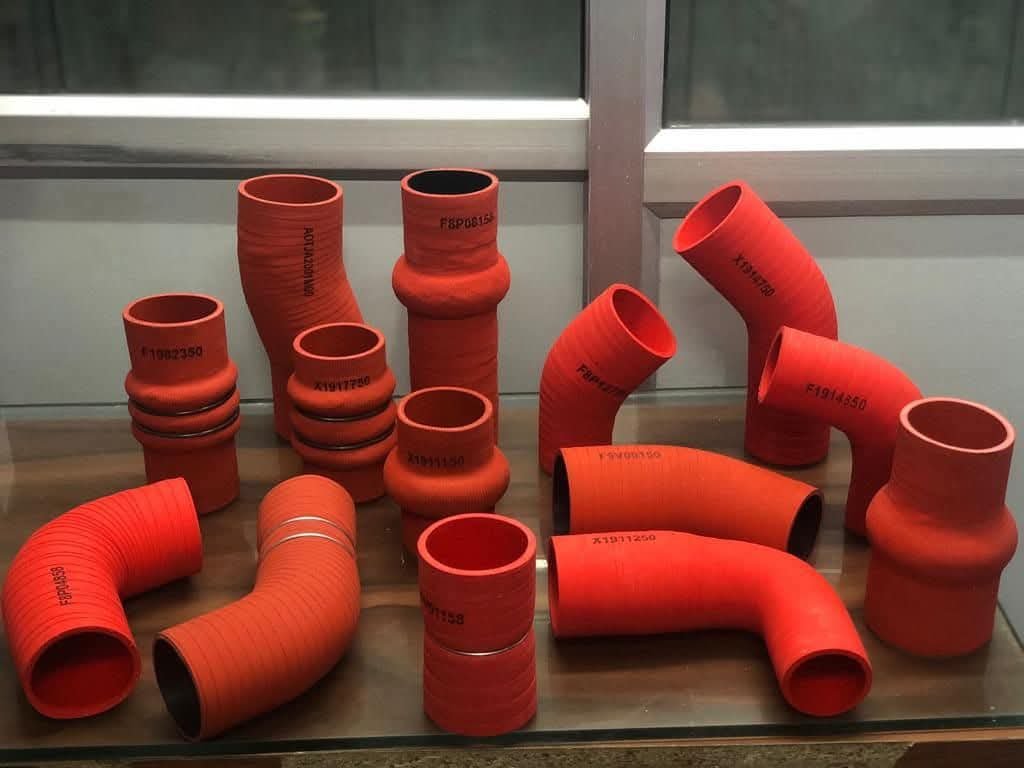
Custom molded rubber and plastic parts are being produced with exceptional quality and competitive pricing. Silicone, EPDM, Neoprene, ECO, NBR, Buna and Viton are available in a full range of typical durometers. Single cavity prototype and multi-cavity production tooling will be produced to your CAD file. Samples will be provided along with first article inspection reports.
Injection molding is a manufacturing process for producing parts by injecting molten material into a mould. Injection moulding can be performed with a host of materials mainly including metals, (for which the process is called die-casting), glasses, elastomers, confections, and most commonly thermoplastic and thermosetting polymers. Material for the part is fed into a heated barrel, mixed (Using a helical shaped screw), and injected (Forced) into a mould cavity, where it cools and hardens to the configuration of the cavity. After a product is designed, usually by an industrial designer or an engineer, moulds are made by a mould-maker (or toolmaker) from metal, usually either steel or aluminium, and precision-machined to form the features of the desired part.