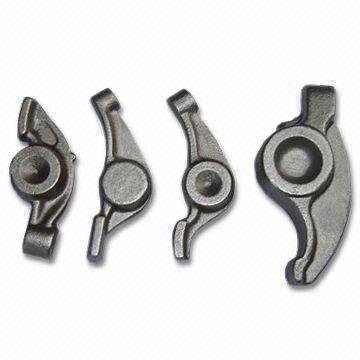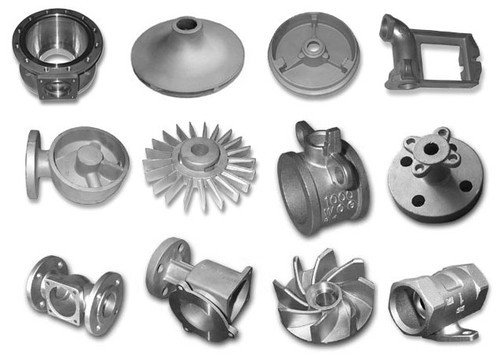
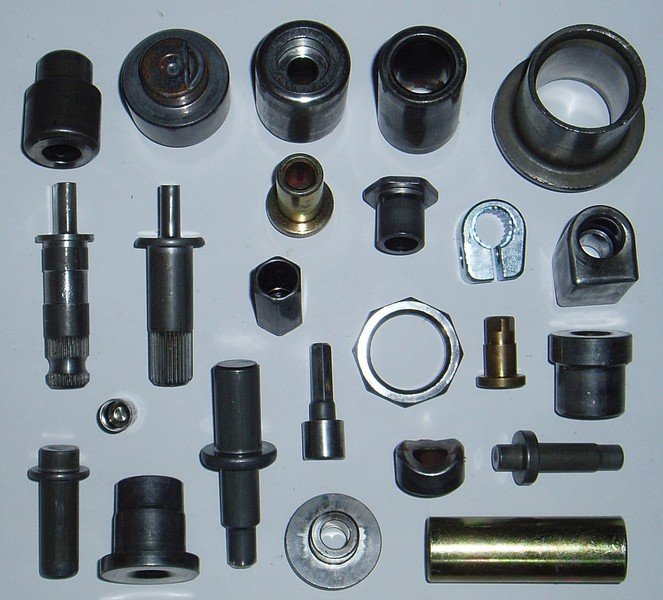
Casting is a manufacturing process in which a liquid material is usually poured into a mold , which contains a hollow cavity of the desired shape, and then allowed to solidify. The solidified part is also known as a casting, which is ejected or broken out of the mold to complete the process. Casting materials are usually metals or various cold setting materials that cure after mixing two or more components together. Casting is most often used for making complex shapes that would be otherwise difficult or uneconomical to make by other methods.
We are having capability to work on below casting processes:
- Centrifugal casting (industrial).
- Core plug.
- Die casting.
- Glass casting.
- Investment casting.
- Lost-foam casting.
- Lost-wax casting.
- Molding (process).
- Permanent mold casting.
- Rapid casting.
- Sand casting.
- Slipcasting.
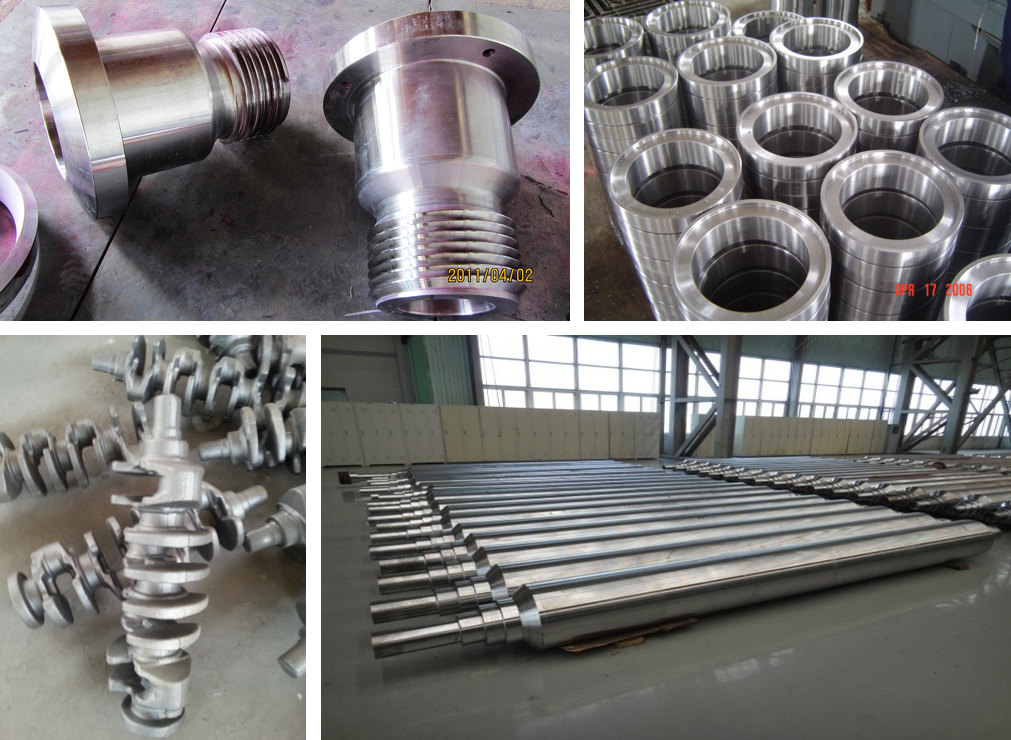
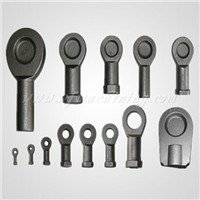
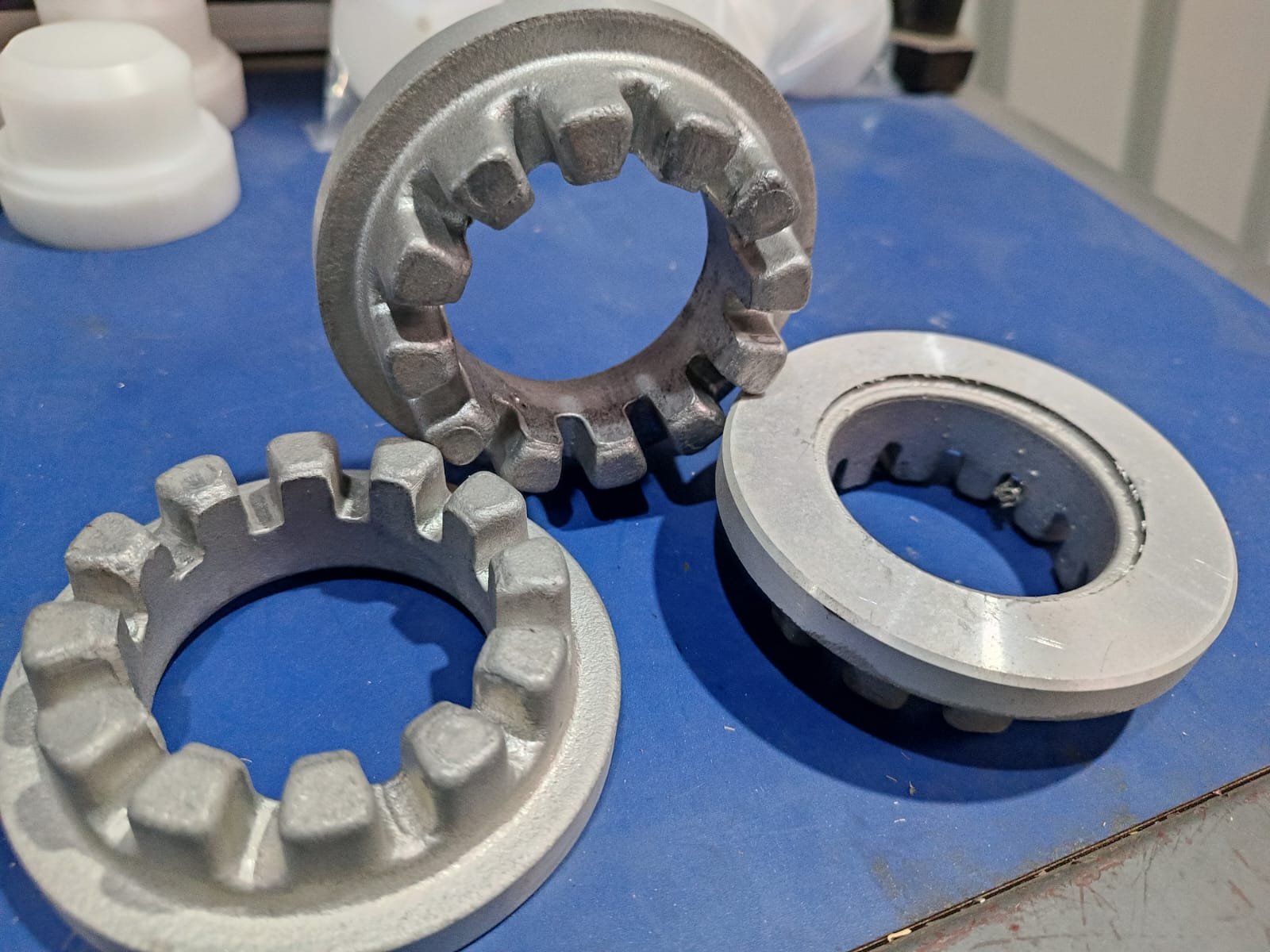
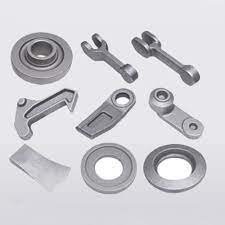
Forging is a manufacturing process involving the shaping of metal using localized compressive forces. The blows are delivered with a hammer (often a power hammer) or a die. Forging is often classified according to the temperature at which it is performed: cold forging (a type of cold working), warm forging, or hot forging (a type of hot working). For the latter two, the metal is heated, usually in a forge. Forged parts can range in weight from less than a kilogram to hundreds of metric tons.
The forging process can produce parts with superb mechanical properties with minimum waste. The basic concept is that the original metal is plastically deformed to the desired geometric shape—giving it higher fatigue resistance and strength. The process is economically sound with the ability to mass produce parts, and achieve specific mechanical properties in the finished product.
Forging of steel
Depending on the forming temperature steel forging can be divided into:
Hot forging of steel
- Forging temperatures above the recrystallization temperature between 950–1250 °C.
- Good formability.
- Low forming forces.
- Constant tensile strength of the workpieces.
- Warm forging of steel.
- Forging temperatures between 750–950 °C.
- Less or no scaling at the workpiece surface.
- Narrower tolerances achievable than in hot forging.
- Limited formability and higher forming forces than for hot forging.
- Lower forming forces than in cold forming.
Cold forging of steel.
- Forging temperatures at room conditions, self-heating up to 150 °C due to the forming energy.
- Narrowest tolerances achievable.
- No scaling at workpiece surface.
- Increase of strength and decrease of ductility due to strain hardening.
- Low formability and high forming forces are necessary.
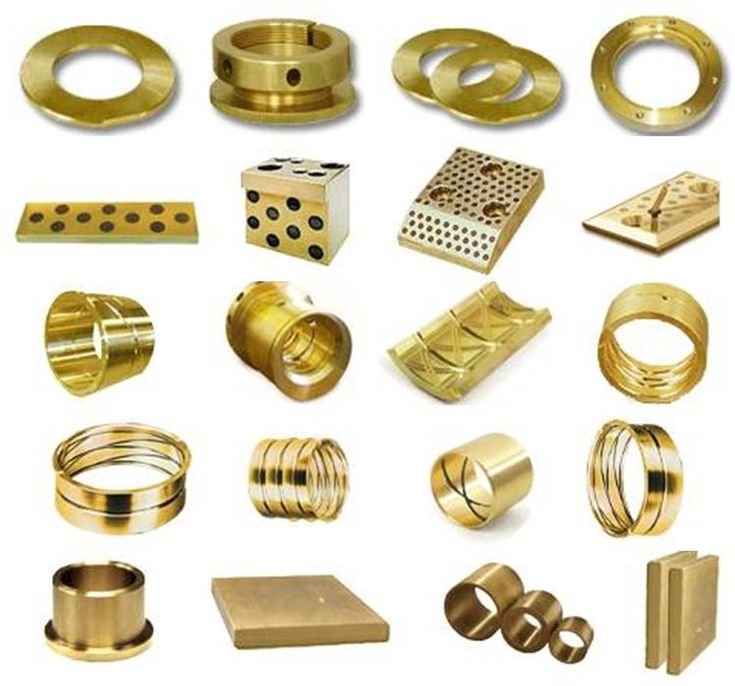
For industrial processes steel alloys are primarily forged in hot condition. Brass, bronze, copper, precious metals and their alloys are manufactured by cold forging processes, while each metal requires a different forging temperature.
For other applications such as defence, railways, automotive, projects, construcations etc. a wide range of metals can be forged. Typical metals used in forging include carbon steel, alloy steel, and stainless steel. Very soft metals such as aluminum, brass, and copper can also be forged.
Forging of aluminium
- Aluminium forging is performed at a temperature range between 350–550 °C.
- Forging temperatures above 550 °C are too close to the solidus temperature of the alloys and lead in conjunction with varying effective strains to unfavourable workpiece surfaces and potentially to a partial melting as well as fold formation.
- Forging temperatures below 350 °C reduce formability by increasing the yield stress, which can lead to unfilled dies, cracking at the workpiece surface and increased die forces.