Author name: admin@gmail.com

Best Materials for Off-Road Fabrication Parts in USA
Off Road Febrication parts

Best Materials for Off-Road Fabrication Parts in USA

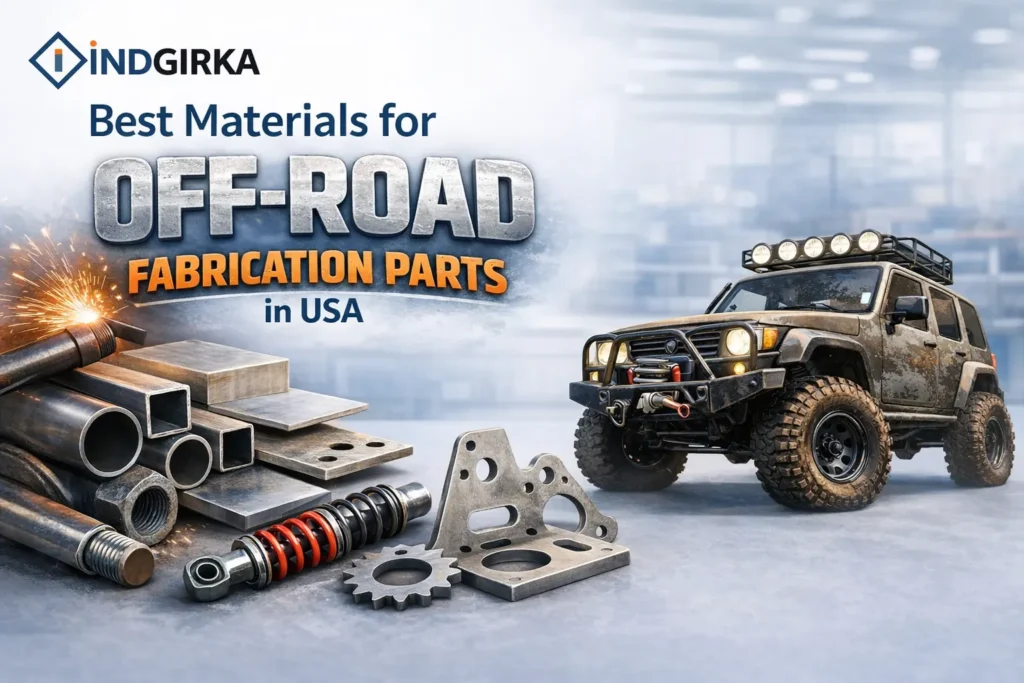
Best Materials for Off-road Fabrication Parts in USA   The off-road vehicle industry in the United States continues to grow as enthusiasts, builders, and manufacturers push vehicles beyond standard performance limits. Demanding terrain and repeated stress require components that withstand these challenges, making material selection a key consideration in off-road fabrication. Whether designing roll cages, rock sliders, bumpers, or suspension components, the right material has a direct impact on durability, safety, and long-term performance. Selecting the wrong material can lead to premature wear, structural weaknesses, and higher maintenance costs. This guide examines the top materials for off-road fabrication parts in the USA, enabling fabrication shops, engineers, and manufacturers to select materials that strike a balance between strength, weight, cost, and reliability. Why Material Selection Matters in Off-Road Fabrication Parts in USA Off-road fabrication components must perform in demanding environments where impact, vibration, and load stress are constant. Key factors to consider include: Strength and impact resistance Weight and performance balance Corrosion resistance Weldability and fabrication ease Cost-effectiveness and availability Application-specific performance requirements Selecting the right material enhances performance, improves durability, and boosts overall vehicle reliability. Best Materials for Off-Road Fabrication Parts in USA Different off-road applications require different material properties. Some components demand maximum strength, while others benefit from weight reduction or corrosion resistance. The following materials are widely used across the U.S. off-road fabrication industry. 1. DOM Steel Among fabrication professionals, DOM steel is often the preferred choice for structural components. Its consistent construction and reliable strength make it well-suited for parts that experience repeated stress and heavy loads. In many off-road builds, DOM steel is selected when durability and structural integrity are essential. This material also offers good weldability, allowing fabricators to produce strong joints without compromising performance. Because of its balance between strength and workability, DOM steel remains one of the most dependable materials in off-road fabrication. Best used for: Roll cages Rock sliders Suspension components Chassis fabrication Structural reinforcements Why fabricators choose DOM steel: High structural strength Consistent material quality Reliable performance under stress Good weldability 2. Chromoly Steel Chromoly steel is commonly used in performance-focused off-road builds where reducing weight without sacrificing strength is important. Fabricators often select this material for high-performance vehicles, racing applications, and custom builds. With proper handling, it delivers lasting performance and reduced weight. Best used for: Roll cages Performance suspension components Lightweight chassis fabrication Racing and performance builds Why fabricators choose chromoly steel: High strength-to-weight ratio Lightweight performance Excellent fatigue resistance Suitable for performance applications 3. Mild Steel Mild steel is the most widely used material in off-road fabrication due to its affordability and versatility, which makes it practical for both custom builds and production work. Best used for: Off-road bumpers Mounting brackets Frame supports General fabrication components Why fabricators choose mild steel: Cost-effective solution Easy to fabricate and weld Widely available Suitable for multiple applications 4. Aluminum Aluminum is often selected when reducing weight becomes a priority. In many off-road builds, lighter components improve handling, efficiency, and overall vehicle performance. However, aluminum requires thoughtful design considerations to maintain durability under heavy stress. When used appropriately, aluminum provides a strong balance between weight savings and structural performance. Best used for: Skid plates Panels and body components Lightweight bumpers Overlanding accessories Why fabricators choose aluminum: Lightweight material Corrosion resistance Improved performance efficiency Suitable for specific applications 5. Abrasion-Resistant Steel Abrasion-resistant steel is designed for extreme durability and impact resistance. Fabricators often choose this material for components that frequently encounter rocks, debris, and rough terrain. Best used for: Skid plates Underbody protection Rock crawling components Heavy-duty armor fabrication Why fabricators choose abrasion-resistant steel: High impact resistance Exceptional durability Long service life Ideal for harsh conditions Material Comparison for Off-Road Fabrication In USA Material Strength Weight Durability Weldability Cost Best Use Case DOM Steel High Medium High Excellent Medium Roll cages, chassis, structural components Chromoly Steel Very High Light Very High Moderate High Performance builds, racing applications Mild Steel Medium Heavy Medium Excellent Low Bumpers, brackets, general fabrication Aluminum Medium Light Medium Moderate Medium Panels, lightweight accessories Abrasion-Resistant Steel Extremely High Heavy Very High Moderate High Skid plates, armor, heavy-duty protection How to Choose the Right Material for Off-Road Fabrication in the USA Selecting the right material for off-road fabrication requires balancing performance requirements, environmental conditions, and manufacturing considerations. Fabrication professionals evaluate several factors to ensure durability, reliability, and long-term performance. Application Requirements The intended application plays a key role in material selection. Structural components such as roll cages, chassis reinforcements, and suspension parts require higher strength and fatigue resistance. In contrast, non-structural components like brackets, panels, and accessories may prioritise weight reduction and ease of fabrication. Terrain Conditions Off-road vehicles operate in a variety of environments, including rocky trails, desert terrain, mud, and uneven surfaces. Rough terrain demands materials with high impact resistance, while overlanding and long-distance builds may prioritise lighter materials for improved fuel efficiency and vehicle handling. Weight Considerations Weight plays an important role in off-road vehicle performance. Lighter materials can improve handling, reduce strain on suspension components, and enhance overall efficiency. However, reducing weight should not compromise structural integrity, especially for load-bearing components. Fabrication Process Different materials require different fabrication techniques. Some materials are easier to weld and machine, while others require specialised equipment and expertise. Considering fabrication complexity helps manufacturers maintain quality, production efficiency, and cost control. Budget and Production Volume Cost considerations also influence material selection. High-performance materials may offer greater durability but come at a higher cost. For large production volumes, balancing cost and performance becomes essential to maintain efficiency without compromising quality. Carefully evaluating these factors helps fabrication professionals choose materials that deliver reliable performance across a wide range of off-road applications. Why Manufacturing Expertise Matters in Off-Road Fabrication Material selection alone does not guarantee performance; manufacturing expertise is equally important for ensuring durability and reliability. Experienced manufacturers understand how materials perform under stress and varying environmental conditions. Precision fabrication, quality control, and structural integrity play a critical role in long-term performance. Companies with strong

Low Volume Sheet metals parts for Machine in Australia and India
Uncategorized

Low-Volume Sheet Metal Parts for Machines in Australia and India

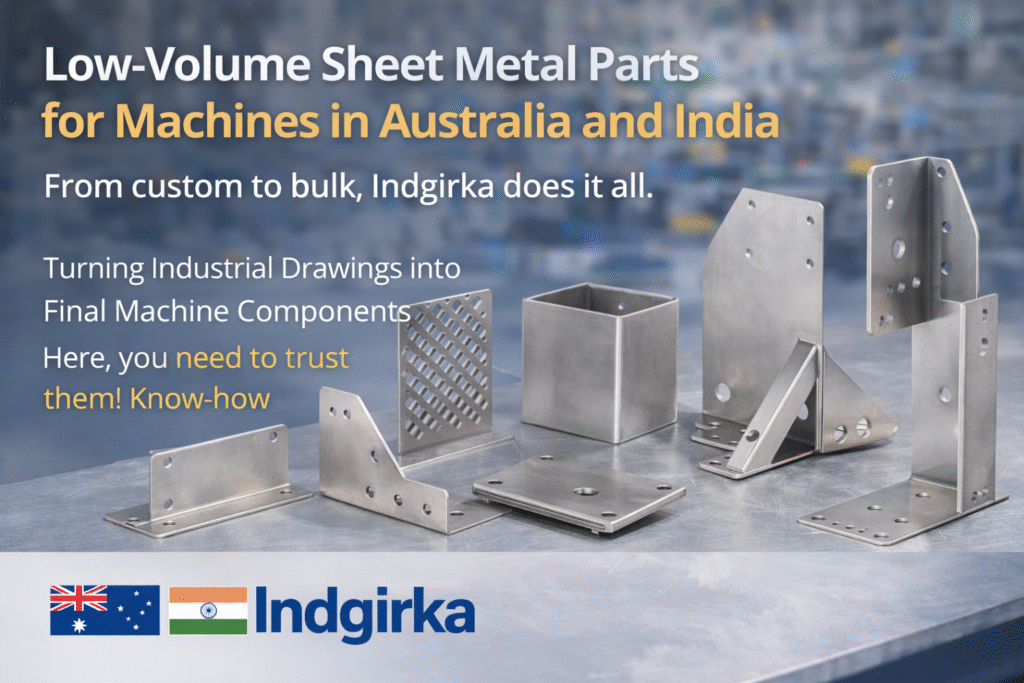
Low-Volume Sheet Metal Parts for Machines in Australia and India Manufacturers today require flexible production solutions that support prototype development, custom machinery, and limited production runs without compromising on quality. Low-Volume Sheet Metal Parts for Machines in Australia and India have become an ideal solution for businesses seeking precision-engineered components with shorter lead times and cost-effective manufacturing. Whether you are developing new machinery, testing product designs, or producing specialized equipment, low-volume sheet metal fabrication offers the flexibility needed for modern manufacturing. Australia and India have emerged as trusted destinations for sheet metal fabrication, combining advanced CNC technology, skilled engineering teams, and international quality standards to deliver precision components for a wide range of industries. What Are Low-Volume Sheet Metal Parts? Low-volume sheet metal parts are custom-fabricated components manufactured in small quantities, typically ranging from a few prototypes to several hundred units. These parts are produced using precision fabrication processes such as laser cutting, CNC punching, bending, welding, and finishing. This manufacturing approach is ideal for companies that require custom machine parts without investing in expensive tooling or high-volume production. Benefits of Low-Volume Sheet Metal Manufacturing Lower production costs for small batches Quick prototype development Fast turnaround times Minimal tooling investment Easy design modifications High dimensional accuracy Consistent product quality Reduced material waste These advantages make low-volume manufacturing the preferred choice for startups, OEMs, industrial equipment manufacturers, and R&D teams. Why Choose Australia and India for Sheet Metal Fabrication? Australia and India offer reliable manufacturing capabilities supported by modern fabrication facilities and experienced engineers. Businesses benefit from competitive pricing, advanced machinery, and strict quality control systems. Advanced CNC laser cutting Precision sheet metal bending Experienced fabrication specialists High-quality stainless steel, aluminum, and mild steel Flexible production capacity Global export capabilities Custom engineering support Industries Served Industrial Machinery Machine frames, protective covers, brackets, mounting plates, guards, and structural components are manufactured with exceptional precision. Agricultural Equipment Custom sheet metal parts are widely used in farming machines, harvesting equipment, irrigation systems, and agricultural processing machinery. Mining Equipment Heavy-duty fabricated components are designed to withstand harsh operating conditions while maintaining structural integrity. Food Processing Machines Stainless steel sheet metal parts provide hygienic, corrosion-resistant solutions for food production and packaging equipment. Automation Equipment Precision enclosures, robotic machine frames, electrical cabinets, and conveyor components are manufactured for industrial automation systems. Materials Used Manufacturers produce low-volume sheet metal parts using premium engineering materials such as: Stainless Steel (SS304, SS316) Mild Steel Galvanized Steel Aluminum Copper Brass Cold Rolled Steel Hot Rolled Steel Material selection depends on application requirements including strength, corrosion resistance, weight, and environmental conditions. Manufacturing Processes Modern fabrication facilities use advanced equipment to ensure precision and repeatability throughout production. Fiber Laser Cutting CNC Punching CNC Bending Sheet Metal Forming TIG and MIG Welding Spot Welding Grinding and Deburring Powder Coating Surface Polishing Assembly and Packaging Quality Assurance Quality is maintained throughout every stage of manufacturing using rigorous inspection procedures. Raw material verification Dimensional inspection Laser cutting accuracy checks Weld quality testing Surface finish inspection Final product quality control Secure packaging before shipment Every component is manufactured according to customer drawings and international quality standards. Custom Fabrication Services Manufacturers provide complete custom fabrication solutions based on CAD drawings, prototypes, or technical specifications. Services include prototype development, low-volume production, engineering support, design optimization, and complete assembly solutions. Customers can order small production quantities without sacrificing quality or precision, making low-volume fabrication an economical choice for specialized machinery and industrial equipment. Conclusion Choosing a trusted manufacturer for Low-Volume Sheet Metal Parts for Machines in Australia and India ensures precision engineering, superior quality, and cost-effective production for custom machinery applications. With advanced fabrication technology, experienced engineers, and flexible manufacturing capabilities, suppliers in Australia and India can efficiently produce prototype components, replacement parts, and limited production runs that meet the highest industry standards. Whether your project requires stainless steel enclosures, machine brackets, structural assemblies, or precision-fabricated industrial components, low-volume sheet metal manufacturing delivers the speed, flexibility, and reliability needed to support today’s evolving manufacturing industry. FAQs 1: How does INDGIRKA enable low-volume sheet metal manufacturing for machinery components? INDGIRKA works with custom engineering drawings to fabricate brackets, frames, enclosures, and other machine components in small production batches, ensuring seamless execution, consistent quality, and quick turnaround times. 2: Can INDGIRKA produce low-volume sheet metal parts for machines in Australia and India? Yes. INDGIRKA manufactures low-volume sheet metal parts for machines in Australia and India, empowering global machinery manufacturers with flexible fabrication capacity and export-ready production. 3: What makes INDGIRKA a reliable fabrication partner for machinery manufacturers? Machinery companies collaborate with INDGIRKA because their team understands engineering drawings and produces precise sheet metal components while supporting prototype development and limited production volumes. INDGIRKA works with custom engineering drawings to fabricate brackets, frames, enclosures, and other machine components in small production batches, ensuring seamless execution, consistent quality, and quick turnaround times. Yes. INDGIRKA manufactures low-volume sheet metal parts for machines in Australia and India, empowering global machinery manufacturers with flexible fabrication capacity and export-ready production. Machinery companies collaborate with INDGIRKA because their team understands engineering drawings and produces precise sheet metal components while supporting prototype development and limited production volumes.

Scroll to Top